Maturity Matrix for Multi-Modal Integration - 4MI
The 4MI tool has been prepared as a part the bilateral technical cooperation project “Integrated Sustainable Urban Transport Systems for Smart Cities (SMART-SUT)” commissioned by the German Federal Ministry for Economic Cooperation and Development (BMZ) and jointly implemented by Deutsche Gesellschaft fur Internationale Zusammenarbeit (GIZ) GmbH and Ministry of Housing and Urban Affairs (MoHUA), Government of India.

MULTI-MODAL INTEGRATION
Multi-modal integration (MMI) in passenger transport system provides seamless and door-to-door travel alternatives for commuters.
CORE AREAS OF MMI
There are 5 core areas in MMI which help in achieving seamless travel. They are:
1. Network and Service Integration
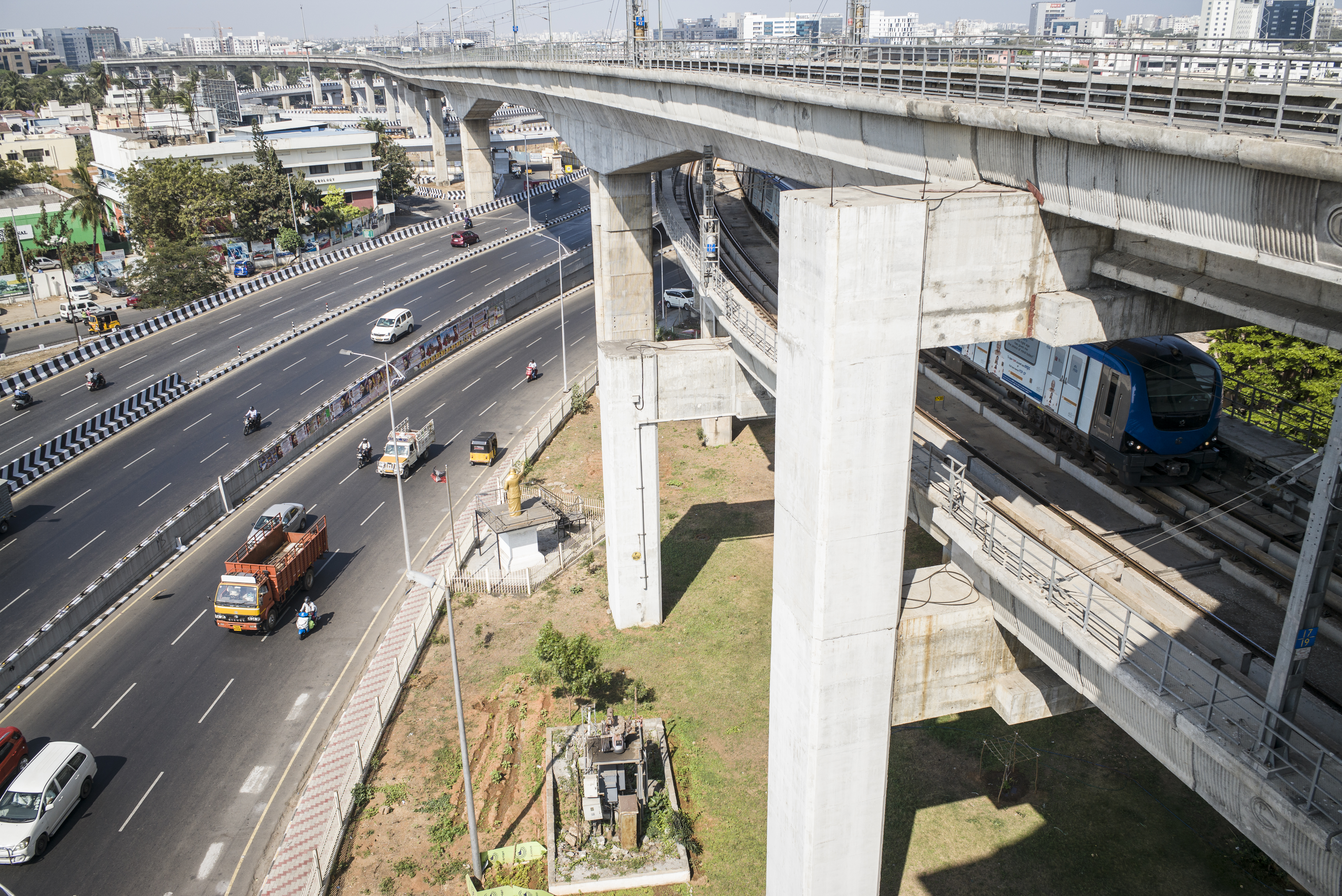
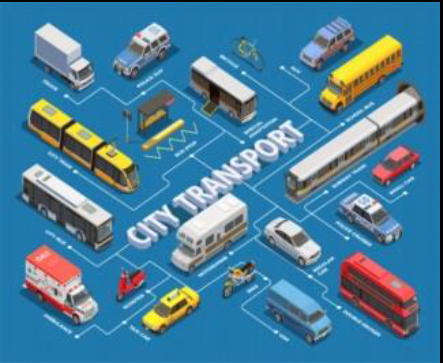
This refers to the linking up of routes and services across different modes to create a network. The rapid transit routes and bus routes are aligned and structured as the trunk, feeder and complementary routes so that the modes do not compete against each other and rather act as a coordinated system. Such a system adds to the catchment area of the rapid PT mode, improves coverage and accessibility and connectivity to different parts of the city. Services are also coordinated to ensure easy transfers.
2. Physical Integration
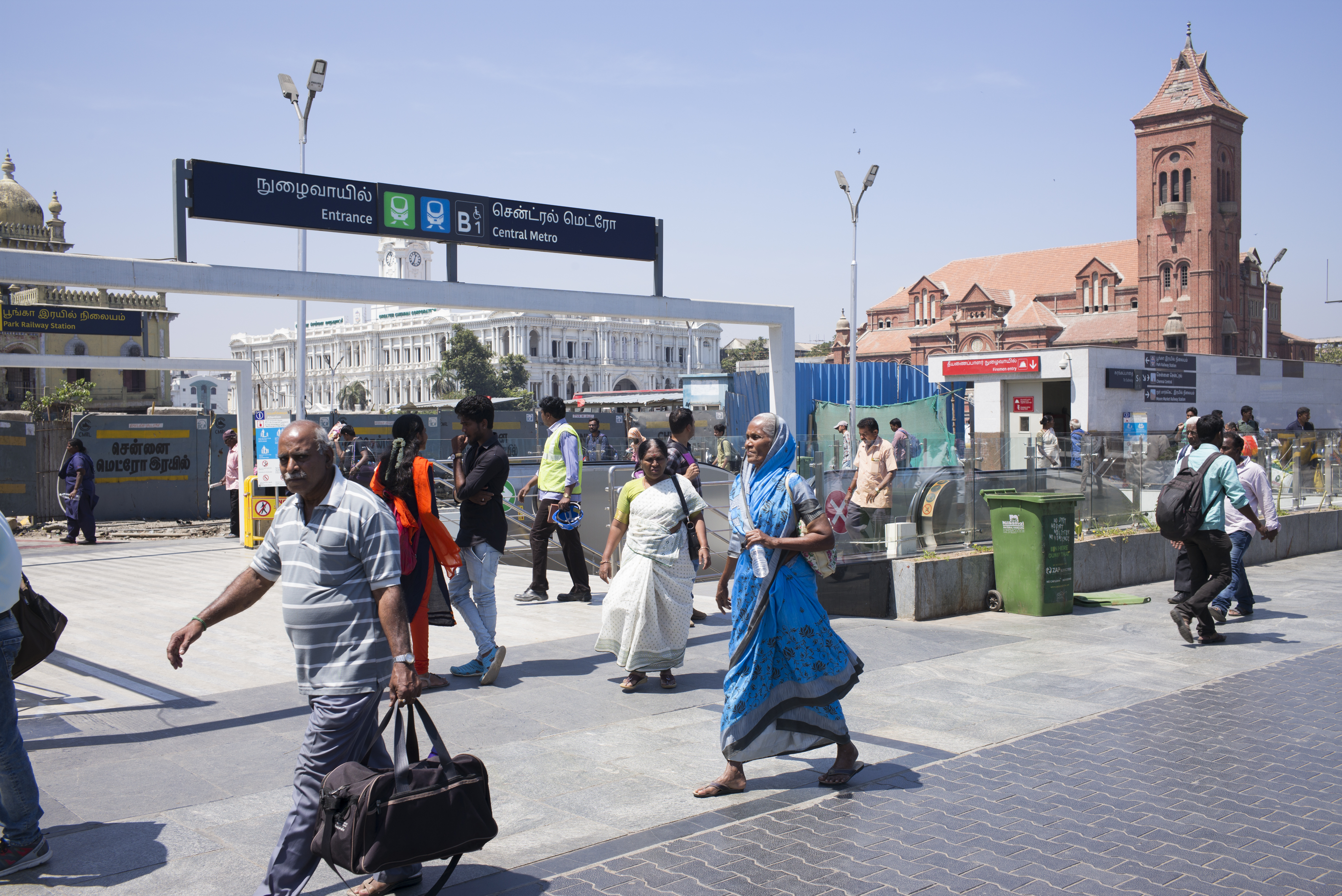
Physical integration deals with the planning and designing of interchanges and station areas where transfers occur between modes or within modes. Passengers view transfers as onerous and hence stops of different modes should be in proximity and interchanges should be laid out well to facilitate easy movement of passengers from one mode/service to another. Easy transfers improve the attractiveness of multi-modal transport systems and are key for intermodal journeys.
3. Fare Integration
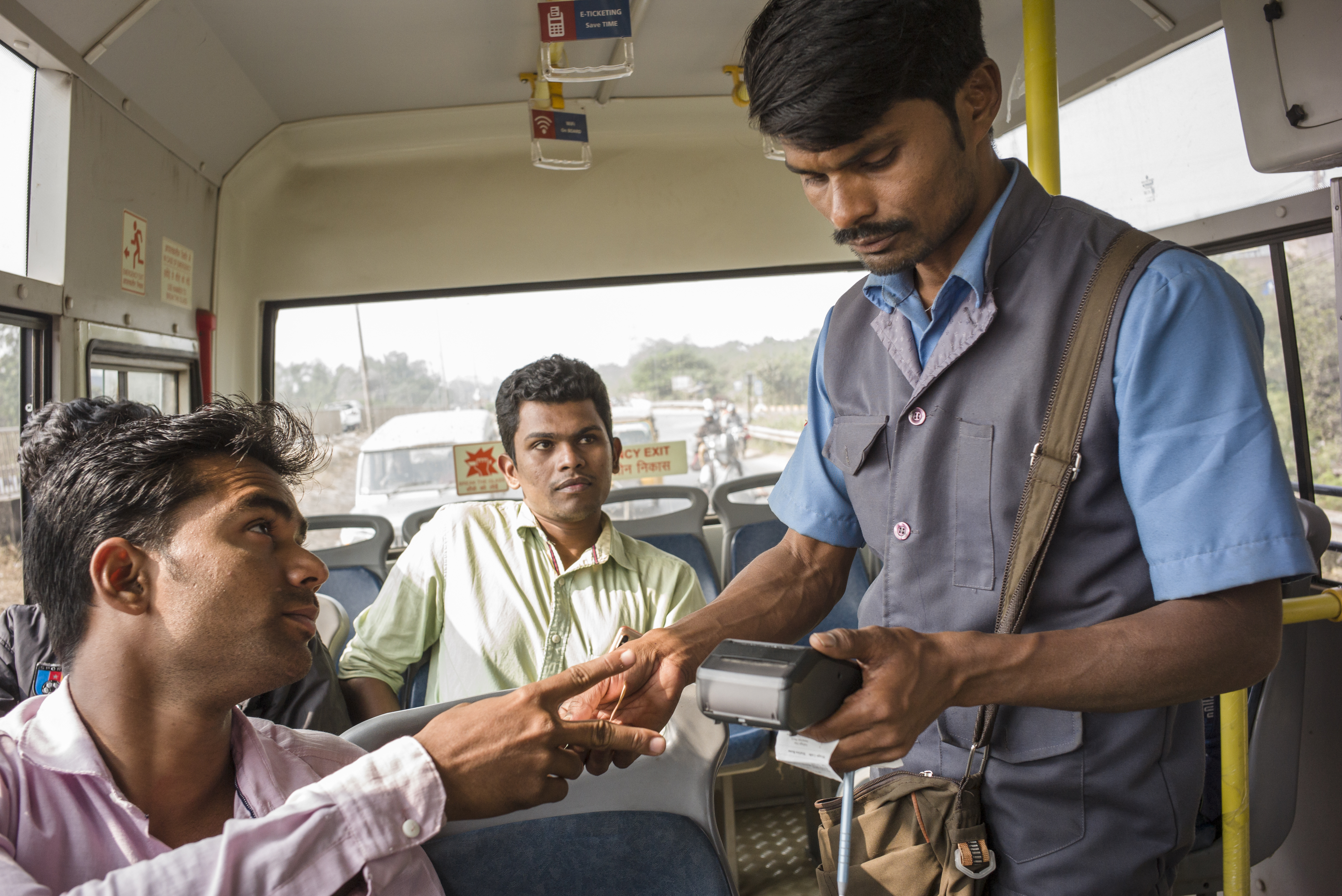
Fare integration involves single ticketing and integration of fares across modes, to make passenger transfers between modes and services more convenient and seamless. Integrated fares ensure that there is no transfer penalty and passengers pay for the single journey rather than trips on different modes/services. A single fare medium across different PT modes eliminates the need to purchase separate tickets for each mode making travel affordable and convenient.
4. Information Integration
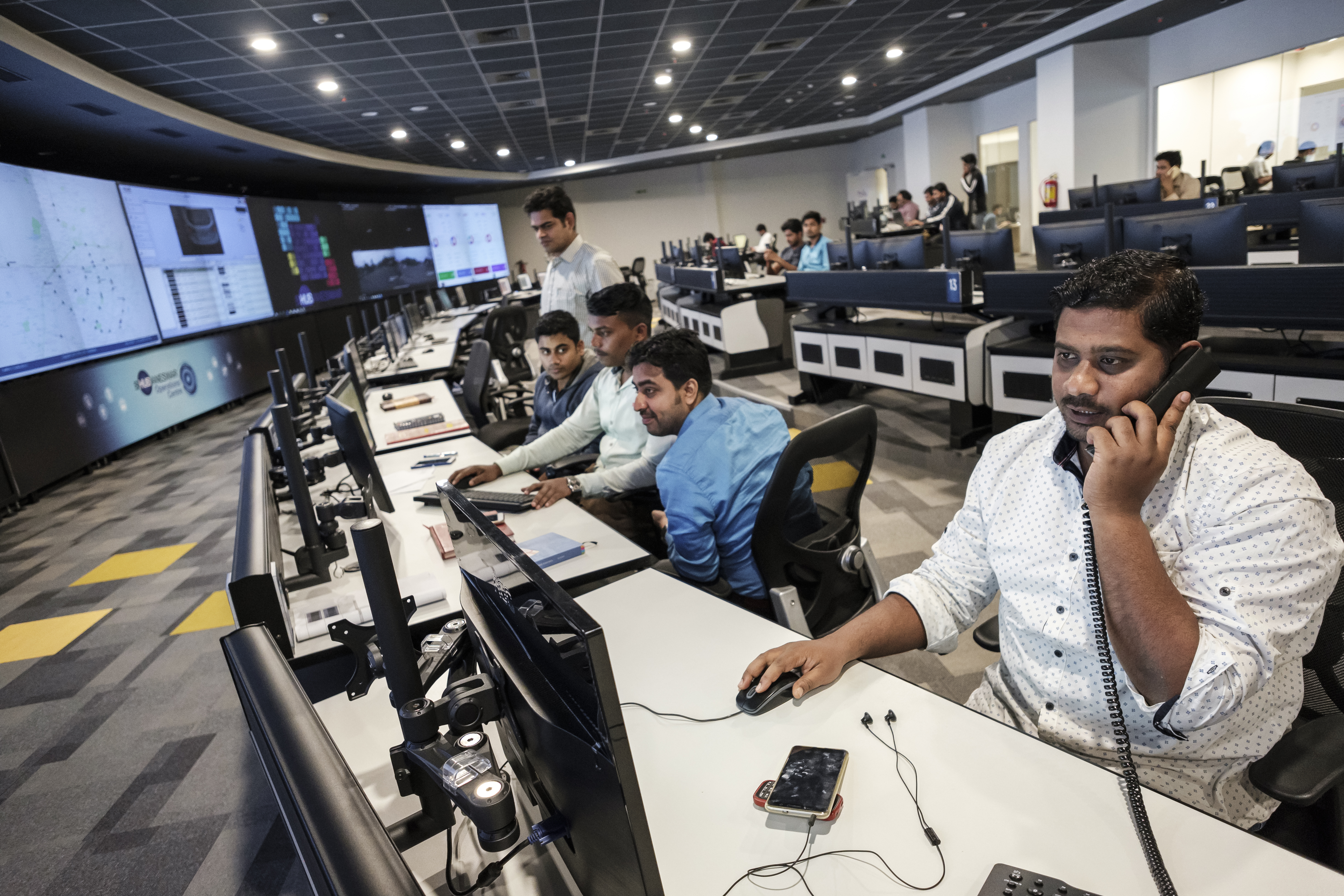
Information integration provides complete travel information on different public transport and last-mile connectivity modes in the city, helping passengers to make informed journey decisions. It would include real-time details of multi-modal travel options including service details, transfers, availability of service, travel time and cost. Information is made available in a comprehensive and easy-to-use format such that commuters can plan their travel before the start of the journey and/or during the journey.
5. Institutional Integration
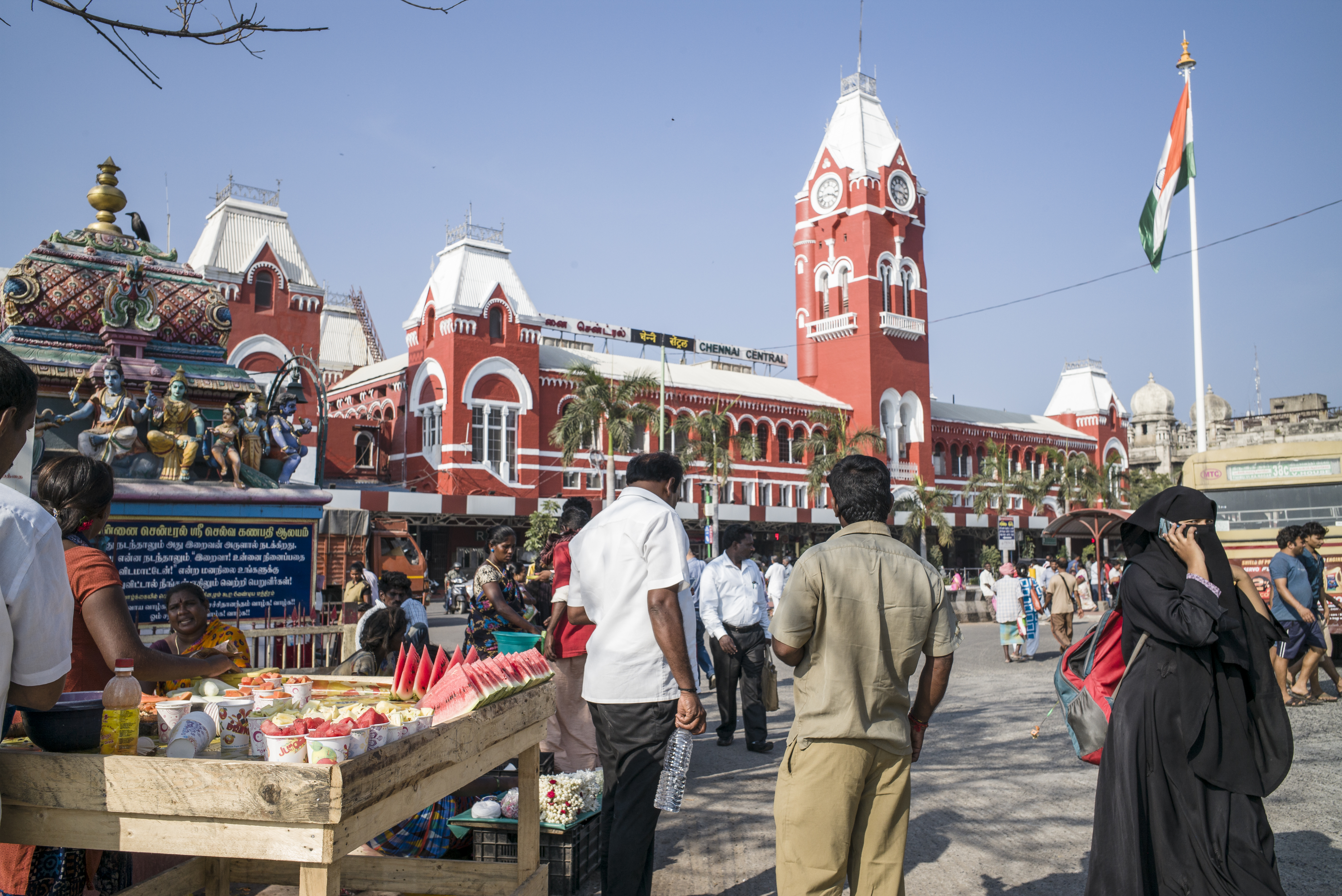
Several institutions are involved in the planning, operations and management of urban transport systems. To plan and deliver integrated services, it is important that these institutions work together. This would require drawing out of strategic plans and policies and continuous cooperation and coordination between institutions at various stages of planning, implementation and operations of integrated multimodal systems.
ABOUT 4MI TOOL
In line with National Urban Transport Policy 2006, Indian cities are introducing various multi-modal strategies to promote sustainable transport systems. As cities adopt measures for integrating modes, it is important to assess to what extent multi-modal integration has been achieved. Cities need guidance such that there is a comprehensive approach towards integration rather than adopting standalone measures.
In this context, an evaluation tool for multi-modal integration called “Maturity Matrix for Multi-Modal Integration (4MI)” has been developed. This matrix takes into consideration the five core areas and defines desired characteristics of a fully integrated multi- modal system. 4MI is a web-based tool that can help cities assess where they are in terms of MMI and identify areas of interventions.
FEATURES OF 4MI TOOL
-

Consists of five different maturity levels and five core areas of MMI
-

Enables future scenario creations and comparisons
-
Adopts a simple scoring system
-

Acts as a road map - outlines MMI strategies for achieving higher level of integration
-

Identifies current levels of maturity and helps track progress of MMI over time
-

Allows city authorities to identify areas of interventions achieved across the five core areas of MMI
5 CORE MMI AREAS
13 MMI ELEMENTS
5 LEVELS OF INTEGRATION
13 X 5 MATURITY MATRIX
STRUCTURE OF 4MI TOOL
The 4MI has been designed as a 13 X 5 matrix. The rows consist of 13 elements under the 5 core areas of integration. The columns consist of five levels of integration: Level – 1 corresponding to independent systems and Level - 5 representing integrated systems. Detailed descriptions of each maturity level for the 13 elements are specified based on which users can choose the level of maturity.
Network & Service Integration
- E1. Planning of routes and services
- E2. Service headways and schedule coordination
- E3. Area coverage
Physical Integration

- E4. Proximity of transit stops
- E5. Ease of transfers
- E6. Last mile connectivity to the interchange zone
Fare Integration
- E7. Fare policy/structure
- E8. Fare technology
Information Integration

- E9. Provision of service information
- E10. Wayfinding
- E11. Customer care
Institutional Integration
- E12. Decision making processes
- E13. Data sharing and integration
KEY TERMS AND DEFINITIONS
-

Route: A route is a path/way/course taken in getting from a starting point (origin) to a destination. A PT route is the regular path taken by a PT vehicle along which they stop at designated stops so that passengers can board and alight.
-

Centralized (overlapped) route structures: A PT route system and service pattern where all the PT routes/services originate and terminate at a few centers in the city, giving rise to a few corridors with consolidation/overlap of services. There are only a few links branching out from these main corridors and thus the peripheral nodes are serviced by low frequency PT services.
-

Concentration of routes on the major corridors with branching: A PT route system and service pattern where a central PT hub acts as the main node and the all PT routes/services originate at this hub and branches out to different nodes in the city. This results in overlap of PT routes along the main routes until the branching occurs providing maximum concentration near the main hub.
-

Route rationalization: Route rationalization is a process taken up to understand the existing PT routes and rationalizing them based on criteria such as supply and demand, frequency, boarding and alighting, load factor and operations. This is carried out to avoid overlap of services, economize the operations, make optimum use of resources and conduct PT operations with increased efficiency.
-

Demand: Transport demand deals with the movement of people and goods and how they travel in order to satisfy a need or access work, education, recreation etc.
-

Trunk and feeder route system: A PT route system and service pattern where metro /subway/buses with higher frequencies ply on main corridors between popular destinations and feeder buses serve to collect passengers from peripheral routes or branches in the network providing connections to the main corridor. Such a system reduces overlap of routes, maintains suitable service frequencies based on demand and extends the coverage of PT services in a city.
-
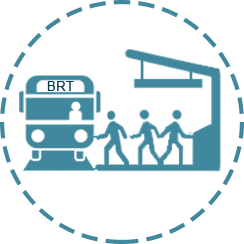
Bus Rapid Transit (BRT): BRT is a bus based rapid transit mode which consists of dedicated pathways for buses, priority to buses at intersections and other design features to reduce delays. It increases capacity on public transport corridors, provides faster transport services and makes PT more attractive to passengers.
-

Service headways: Service headway is the amount of time between the arrivals of consecutive PT vehicles in service at a transit stop. Service frequency on the other hand refers to the number of times a specific service is offered during a given time interval.
-

Peak hours: Peak hours are the hours of the day when maximum passengers use the PT services or systems. There is usually a morning peak hour when people leave from their homes for their jobs/schools/colleges, etc. and an evening peak when these people return.
-

Coordinated operating hours: The operating hours of PT are said to be coordinated when the operating hours of the various PT modes are the same or matched in such a way that the passengers aboard the last service on the main route are able to catch the last feeder service originating from transit stops along the main route.
-

Schedule coordination: Schedule coordination refers to the way PT services are planned and run in such a way that the headways of various PT services are optimized to operate in a phased manner. This can enable various PT services to arrive almost simultaneously at transfer hubs. Thus passengers can transfer between these services/modes without having to wait for too long for the vehicles to arrive, thus reducing time transfer penalty.
-

High frequency coverage: High frequency coverage refers to the total area in the city that is serviced by PT routes with high frequency (<10 minutes) services.
-

Transfers: Transfer is the act of changing from one mode of transport to another or between various services within a single mode.
-

At grade road crossing: At grade road crossing is a junction or intersection where two or more transport axes cross at the same level. A traffic-control device such as a stop sign, traffic light, zebra crossing, etc. is needed at such crossings to avoid pedestrian - vehicular conflict.
-

Proximity of transit stops: Proximity of transit stops refers to how closely spaced the transit stops of various modes are within a transfer point/zone. Ideally, these transit stops should be co-located or placed as closely as possible to reduce the walking distances for passengers during multimodal transfers.
-

Rapid transit modes: Rapid transit mode is a form of public transportation which operates on fixed routes and includes features that dramatically improve speed, capacity, reliability, and quality of the service. Rapid transit modes include BRTS, Light rail transit (LRT), commuter rail, metro, etc.
-
Intermediate Para Transit (IPT): IPT are flexible transport modes and services which cover the gap between privately owned vehicles and the conventional PT modes. These modes are loosely controlled by the government and the degree of control and regulations vary from city to city. They are popular modes in developing countries including India. Cycle-rickshaw, auto-rickshaw, Tata Magic, etc. are examples of few IPT modes.
-
Transport interchange: Transport interchange is a place where various modes and services converge and thus passengers can transfer between modes or between services of a single mode at a single location.
-
Universal accessibility: Universal accessibility in transport sector means that infrastructure and services are designed in such a way that they can be accessed and used by people with a wide variety of characteristics, including different types of disabilities. It involves designing accessible spaces, providing easily understood forms of information, and easy to use systems and facilities.
-

Last mile connectivity: The "last-mile" or "first and last-mile" connectivity refers to the transport systems that are available to and from the transit stop to the origin or final destination of the passenger. These last mile services may be provided by NMT modes (such as walk or bicycles), IPT or even private vehicles.
-

Public Bicycle Sharing (PBS): PBS is form of a shared transport system with a network of bicycle rental stations/ docking station, from where people can hire a bicycle and use it for commuting purposes and then drop it off at another rental station/ docking station closest to their destination. Users typically check out a bicycle using a membership or credit/debit card.
-

Independent fare structures: This refers to the PT fare system where the passengers are charged separate fares for each mode they travel and requires buying a ticket every time they transfer to a new mode during a multimodal journey. In such cases the passengers may often have to spend to spend more as they are liable to pay for transfer penalties in form of minimum fares for every mode they travel on.
-

Transfer penalty: The disutility associated with transferring from one mode to another is called transfer penalty as it often penalizes the passengers who transfers in the form of extra fare that is incurred by them (fare transfer penalty) and the additional time wasted while transferring and waiting for the next mode (time transfer penalty). Fare penalty arises in the absence of a single fare structure for all PT modes and the passengers has to buy a separate ticket for each mode in a multimodal trip and he/she ends up paying multiple minimum fares charged by the operators for each of the mode used.
-

Fare caps: Fare cap is the upper price band set the operators which limit the maximum fare payable by a passenger in a day/week/month. It is a policy instrument or a reward scheme used by operators where the total fare paid by each passenger within a specified time period is “capped” after a certain number of trips or value of trips as a reward for frequent and/or regular use.
-

Fares integration across all modes: This refers to the PT fare systems where different PT modes cooperate to provide a single ticket for a multimodal journey irrespective of the number of modes taken to complete the journey and the passengers need not take separate tickets for each mode. In high levels of fare integration, the fare transfer penalties are also removed.
-

One journey – one ticket: It is a type of ticket employed in fare integration that enables passengers to travel transfer between buses, metro, urban rail, etc. without having the need to buy multiple tickets for complete a multimodal journey. The purchase of one ticket is enough to cover their entire journey irrespective of number of transfers between modes or types of services.
-

Electronic Ticketing Machine (ETM): ETM are machines with computer processers and memory, which issue tickets for travel. These may be designed for in-vehicle use, as fixed or handheld units, or for use at stations and other off-bus locations in the form of electronic kiosks. Typically in these machines, fare products, fare rules and prices (e.g. as fare tables) are stored in the memory chip.
-

Automatic Fare Collection System (AFCS): AFCS is a form of fare collection where the various components of the ticketing system are automated. Components such as automatic ticketing vending machines and automatic fare collection gates allow for faster movement of passengers. AFCS is an integral part of fare integration.
-

QR code: QR code is a machine-scannable image consisting of a number of black squares and dots that can instantly be read using a special camera, (e.g. smartphone camera). Every QR code represents information which can be read by the camera and is translated for easy human understanding.
-

Interoperable smart cards across all the modes: Smart cards are store value cards with a fixed amount or number of rides electronically stored on the card and the value of the fare is automatically deducted at the fare gates with each trip taken. Smart cards can be contact cards where the information is passed to the fare collection system by contact between the card and the fare equipment or contactless cards, where the card communicates with the fare equipment using radio communications. Interoperable smart cards are equipped to be used across all PT modes and at times to pay for IPT trips or taxi rides or at commercial establishments.
-

Pre-trip information: Pre-trip information is the data which helps the passengers to take decisions regarding their impending trip/journey. It can include information such as modes available, time of arrival, travel time, fares, shortest route, departure time of transit modes, etc.
-

Real time information: Real-time information or dynamic information refers to information that gets continuously updated based on automatic vehicle tracking systems on PT vehicles. It provides reliable estimates of train/bus arrival/departure timings and thus makes it possible to predict journey start times, waiting times, delays, etc. and thus passengers can make informed decisions.
-

Passengers Information System (PIS): PIS is an automated system which provides passengers of PT systems/modes with real-time information regarding PT services such as arrival times, service schedules, disruption in services, etc. through visual, voice or other media. These systems are usually provided at transit stops and on-board PT vehicles to guide passengers.
-

Integrated trip planners: Integrated trip planners are applications which collect information (static and real-time) regarding all PT modes and their services in a single place and provide valuable trip information to the passengers regarding point to point intermodal trip planning assisted real time information. They are also called as comprehensive trip planners and are integral in achieving high levels of information integration.
-

Signage: Signages deals with the design or use of signs and symbols to communicate a message or information. An information signage conveys information such as location of facilities of toilets, transit stops, escalators, elevators, exits, timetables/schedules, names/headings, etc. Navigational signage on the other hand provides visual directional information (such as arrows) helping passengers to navigate on roads, within multi-modal hubs, guide them to the nearest transit stop, etc.
-

Capacity building: It is a process of imparting and developing sector knowledge, sustainable abilities and skill sets among members of organizations to create awareness and help them perform planning activities on their own. It is a process of individual and institutional development to create high skills sets to enable them to carry out their tasks in a more informed way and to apply new concepts in the sector.
-

Strategic plan: Strategic plan is a document that is designed to give the city some direction for a set time horizon. It includes the key strategies to be employed by the city to achieve certain targets and to also solve its current issues.
-

Cooperation between agencies: Cooperation means the action or process of working together to achieve the same end. With regard to multi-modal integration, cooperation may be considered as the first step. It implies that various agencies and service providers cooperate with each other to provide public transport services in the city.
-

Unified Metropolitan Transport Authority (UMTA): UMTA is an umbrella authority to facilitate coordinated planning and implementation of urban transport programmes and manage integrated transport systems in cities. The Government of India has recommended cities to set up UMTA to carry out integrated and holistic planning, policy and regulatory functions, planning of road networks, capacity building, transport infrastructure development, etc.
-

Value capture: Value capture is a financing tool that allows local governments to charge fees and taxes to developers and property owners and raise revenue that can then be reinvested into community and city services. It is a popular financing tool for Transit Oriented Development (TOD).
-

Betterment charges: Betterment charges are fees collected by city authorities in case the value of a property has seen appreciation due to any infrastructure development, including metro, commercial set-ups, road developments or better connectivity.
-

Data formats: Data format refers to the way in which PT data or information (such as but not restricted to number of passengers, fares, services, timings, fares, routes, etc.) is collected and stored for later use by different operators. The various operators may collect different sets of data parameters and adopt different formats for input and storage which makes it difficult to compile PT information. Whereas, if standardized data formats are adopted by PT operators, they would collect the same data parameters and use a common format for data input and storage and aid in various aspects of multimodal integration.
-

Smart data: Smart data are sets of data collected through smart means such as smart card, mobile phones, Electronic Ticketing Machines (ETM), Automatic Vehicle Location System (AVLS), etc. which enables analysis of passenger travel patterns and vehicle movements to help develop specific transportation tools such as integrated trip planners, smart vehicle management systems, etc.
-

Application Programming Interfaces (APIs): API is a set of programming code that enables data transmission between one software product and another. Well-designed software comes with inbuilt APIs which help organize code and make components more reusable and give a set of rules for programmatically interacting with that software. APIs can thus help in linking different software used by different operators, access the data and compile them to provide comprehensive information for achieving different aspects of multi-modal integration (such as service integration, fare integration and information integration).